
I Stopped Pursuing Art for My Family
Stepping Away from Art
A few years ago, I stopped pursuing my life as an artist for my family.
I started my career as a graphic designer back in 2000s. I did that for about ten years. And then after that, I spent another ten years making art. Drawing and painting alongside my day job as a designer.
I was trying to become an artist in a serious way. But during those years, I was always struggling to find my place in the market, which I think now is something you shouldn’t do as an artist.
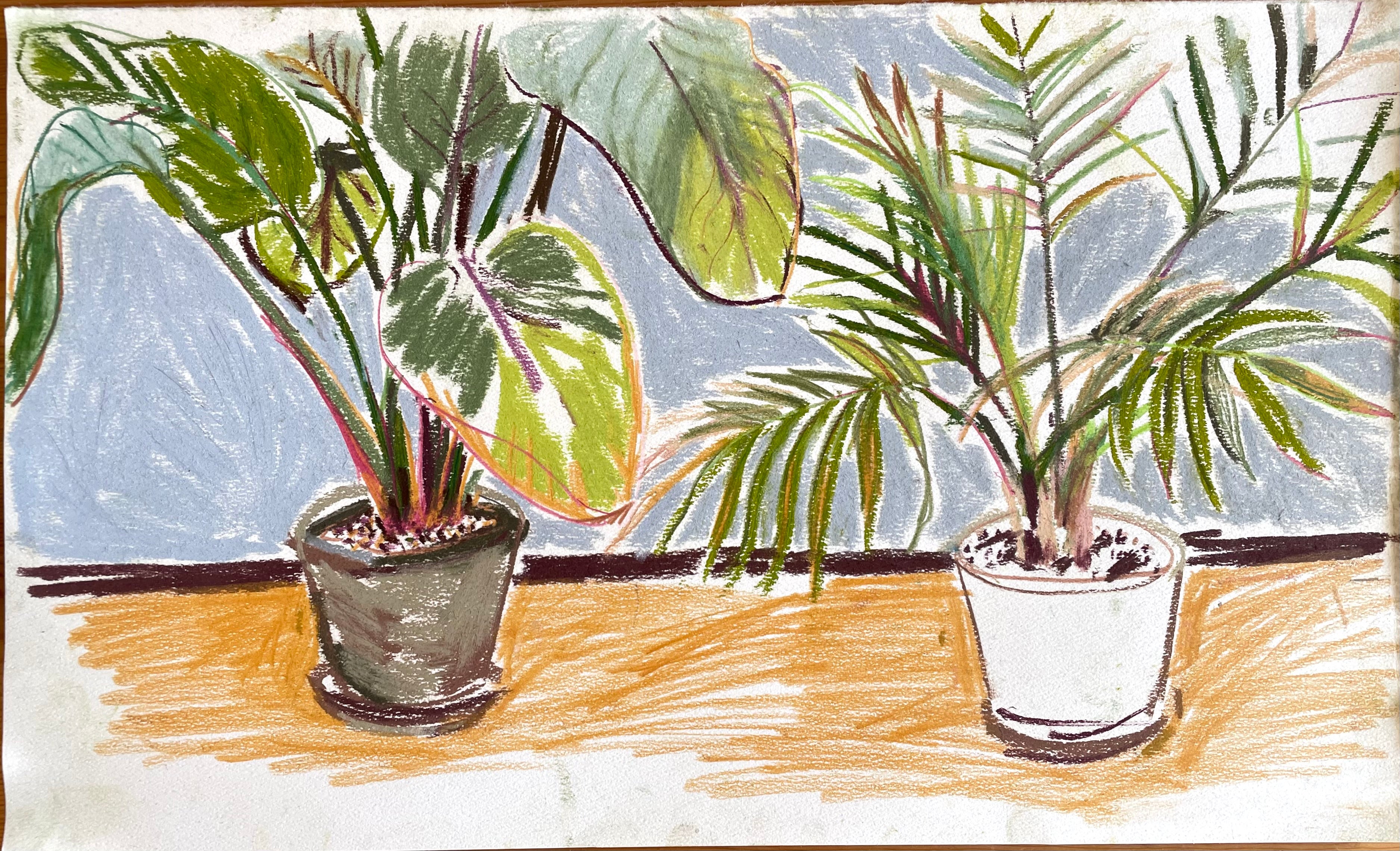
After ten years of woking on my paintings and drawings, I finally reached a point where I could genuinely feel satisfied with my own work. I was drawing everyday objects, scenes from daily life.
I felt a sense of accomplishment as an artist.

By then, I was already with Maika.
Maika was also pursuing her dream. She was training to become an art restorer, someone who restores old damaged paintings. She had been dreaming of that job since her early teenage years, and she had spent many years working toward it. But she was struggling to find her place in that world.
So both of us were chasing our dream jobs and both of us were struggling.
After ten years of transforming my style of art, I was finally satisfied with my work. At that point, I could have continued as an artist.
But I felt kind of alone, even living with Maika. I wanted to do something together with her.
Starting something together
So I started thinking.
What skills did we actually have?
What could we realistically do together?
Maika was working in a global tech company and had IT skills. I had creative skills. We both had an international mindset and we wanted to share Japanese culture to the world.
Thinking about all of that, We came up with an idea Orita Chaten.
Selling Japanese food to people overseas was very far from what we originally wanted to do. But it was something we could do using the skills we had gained through real jobs, the kind of jobs that actually pay money. And it was something we could offer and be useful to others.
Finding Beauty in the Ordinary
At first, Maika was kind of skeptical.
But I was pretty sure that it could work. And more importantly I had a vision. Still vague and far away, but I had a vision that this business itself could eventually become a form of art.
I saw Orita Chaten as art.
I imagined us as a family, as a couple, building a small mom-and-pop shop, selling Japanese food to the world. I imagined our daily life in Tokyo, going to supermarkets, convenience stores, eating ramen, walking through the city. I saw it like a film. Asian cinema that follow a family through time, showing their environment, their lifestyle, their culture, and the world around them. Like pop art. I felt that our life itself could be expressed artistically.

That vision is what allowed me to keep my passion for this business.
I couldn’t do it just for money. But if I could see it as something creative, something ordinary but artistic, then I could keep going.
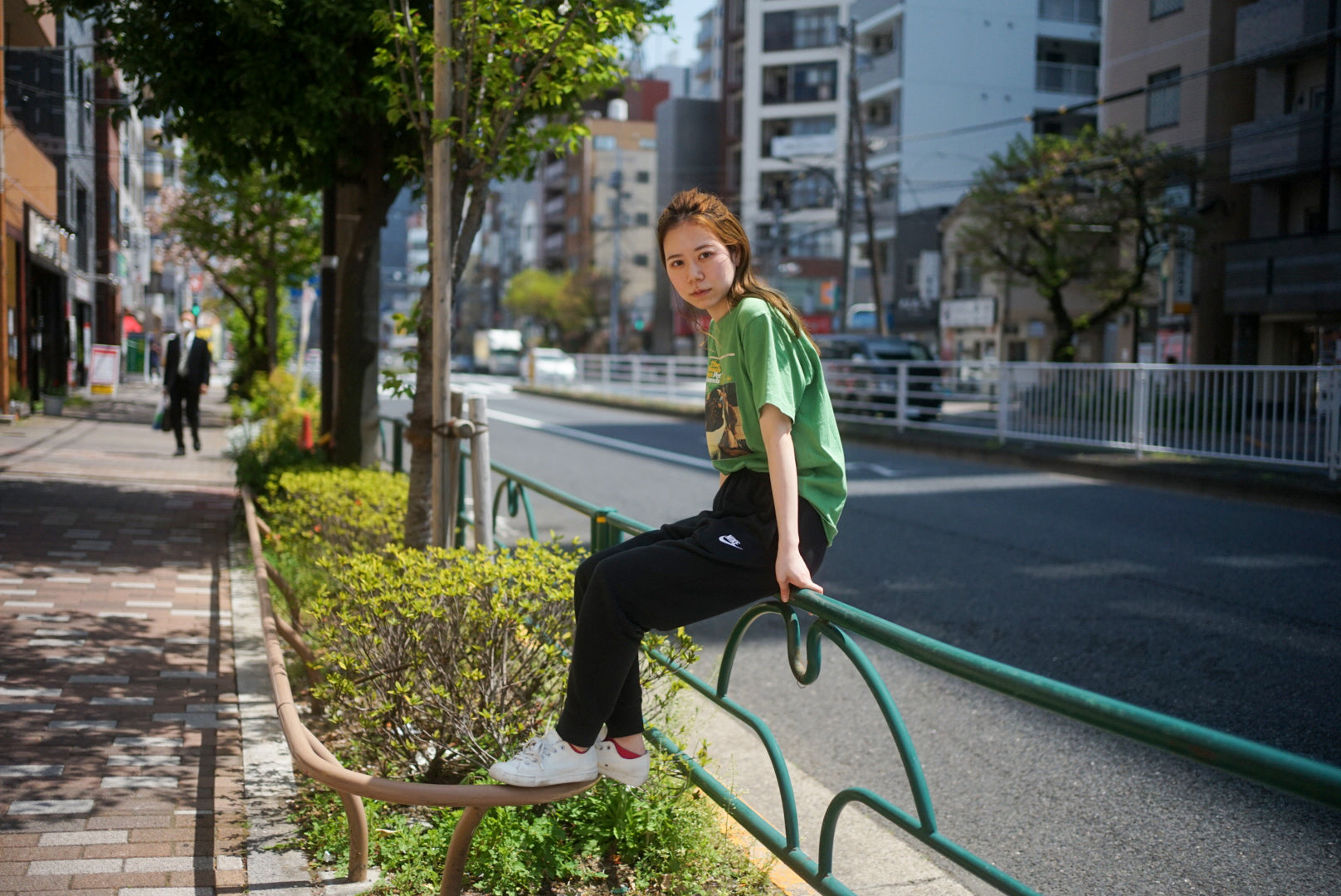
I love taking photos of my family. Those moments are genuine, authentic, and real. Sometimes, that kind of honesty is more beautiful than any paintings.
I wanted to make ordinary life into something beautiful.
I wanted to see Mom and pop grocery store as a beautiful thing.
I always questioned about being different. I thought people are forced to have an “identity” just to stand out in a crowded market.
If we could do something as ordinary as selling groceries, and make that work as a family business, I felt that could also encourage a lot of people. I wanted to prove that this is possible in the modern world where highly developed algorithms connect people.
We’re still in the process, and we still have our day jobs.
But I really think there is something beautiful about running a small grocery store. I don’t think people usually imagine a grocery store as a viable business in this day and age. But if you truly share your genuine self, we believe that it can be possible.
In the future, when I look back, I will probably say, “This was the hardest and most important decision I made in my life.” I’ve made countless drastic turns in my life, but stopping painting was literally the hardest one and it will be the most important.
By the way I didn’t give up my artist career.
When I look at artists like Hokusai, Cy Twombly, or David Hockney, many of their most important works came very late in life. Some of them were in their seventies or even eighties when they created those historical peaces.
David Hockney once said that “painting is a job for an old person”.
I can return to painting at any time in the future.
I also don’t want Maika to forget her own intention, what she wanted to become.

Comments